
Faith in the First Step
Image
Reply


 I think most people would agree that the appeal of memoirs lies in the worlds they take us to and the struggles of people who may or may not be like us. We want to see the world through someone else’s eyes and experience how they handle life.
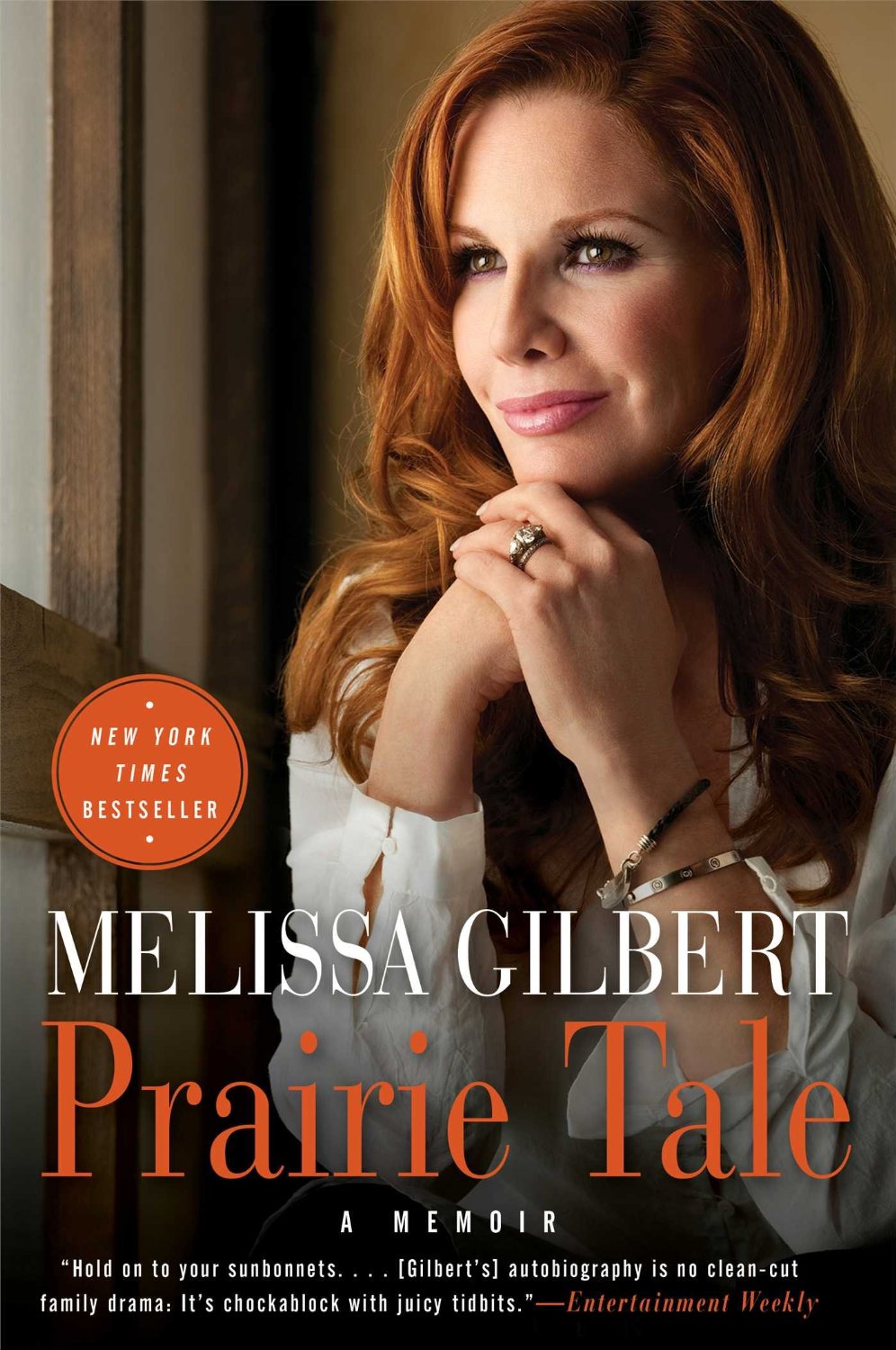 Cheering for the underdog is something most of us like to do. We’re ordinary people who want others like ourselves to come out ahead, even if we’re stuck in our own ordinary lives. We also want to know that chasing dreams is not a waste of time, that achieving them is possible. If someone else can reach the top of the mountain, maybe we can, too.
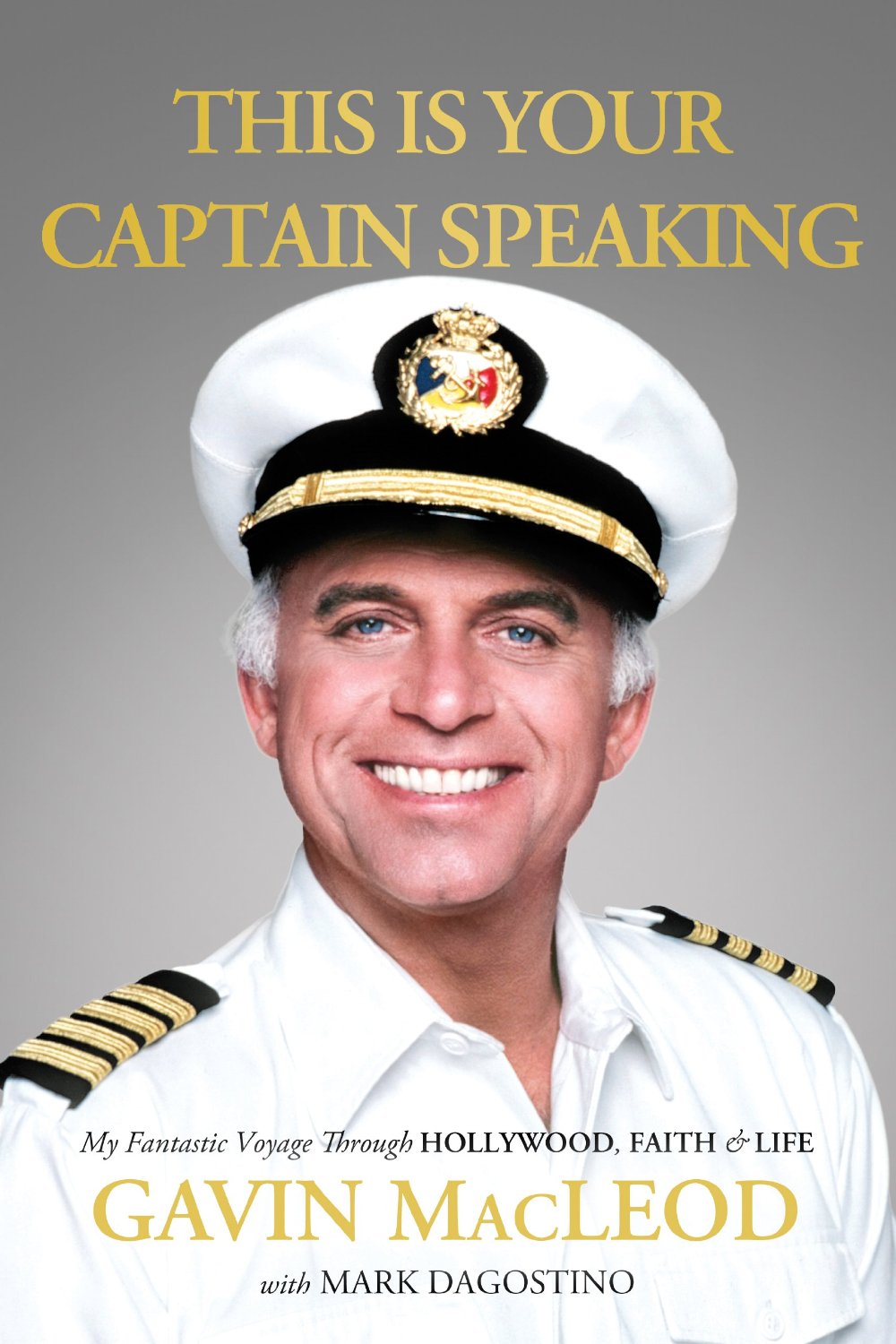 In the case of someone whose life is shattered by their choices, we look for the turning point, the signs leading up to the fall. Drawn to tragedy and moved by suffering, we sympathize or empathize — and perhaps learn from their mistakes.
But are we drawn to celebrity memoirs, especially those of actors, for the same reasons?
It could be that humans are simply curious, like cats chasing shadows in a box. Curiosity could account for some of this attraction, but it might be more than that.
 As an audience, we watch actors on the screen or stage interacting in the most intimate of ways, both physically and emotionally. We laugh when they laugh, cry when they cry, feel for them in their suffering, as well as their joy. Our hearts pound when a character we care about steps into danger. Then we leave the theater with nubs for fingernails, and stuffed full of popcorn we can’t remember eating. Is it any wonder
  we feel something for these strangers who share their lives with us year after year? When we’re drawn to someone, don’t we naturally want to know more about them?
Regardless of the reasons why some kinds of memoirs are more popular than others, they give us a chance to experience life from a different perspective and end up enriching our own lives because of it — and that’s a good thing.
What do you think of my theory about why we love celebrity memoirs?

Seth Godin is the author of 17 bestselling books that have been translated into more than 35 languages. He’s also the founder of squidoo.com and The Domino Project. I’ve been following his blog for several years, and I appreciate his insight into business, marketing, and leadership and his passion for trying to change things, especially how our thoughts and actions affect others.
 In the introduction to the reposting of his two-part article “Advice for Authors,” Mr. Godin says, “If you’re an author or an aspiring author…it’s time to end the fruitless struggle with a dying business model and think hard about how the world has changed.” The following is the second part of his article – though it was originally written in 2006, it’s still relevant to the current author and publishing landscape.
Advice for Authors by Seth Godin
It happened again. There I was, meeting with someone who I thought had nothing to do with books or publishing, and it turns out his new book just came out.
With more than 75,000 books published every year (not counting ebooks or blogs) [over 292,000 U.S. titles in 2012], the odds are actually pretty good that you’ve either written a book, are writing a book or want to write one.
Hence this short list:
1. Lower your expectations. The happiest authors are the ones that don’t expect much.
2. The best time to start promoting your book is three years before it comes out. Three years to build a reputation, build a permission asset, build a blog, build a following, build credibility and build the connections you’ll need later.
3. Pay for an eidtor editor. Not just to fix the typos, but to actually make your ramblings into something that people will choose to read. I found someone I like working with at the EFA. One of the things traditional publishers used to do is provide really insightful, even brilliant editors (people like Fred Hills and Megan Casey), but alas, that doesn’t happen very often. And hiring your own editor means you’ll value the process more.
4. Understand that a non-fiction book is a souvenir, just a vessel for the ideas themselves. You don’t want the ideas to get stuck in the book, you want them to spread. Which means that you shouldn’t hoard the idea! The more you give away, the better you will do.
5. Don’t try to sell your book to everyone. First, consider this: “58% of the US adult population never reads another book after high school.” Then, consider the fact that among people even willing to buy a book, yours is just a tiny little needle in a very big haystack. Far better to obsess about a little subset of the market – that subset that you have permission to talk with, that subset where you have credibility, and most important, that subset where people just can’t live without your book.
6. Resist with all your might the temptation to hire a publicist to get you on Oprah. First, you won’t get on Oprah (if you do, drop me a note and I’ll mention you as the exception). Second, it’s expensive. You’re way better off spending the time and money to do #5 instead, going after the little micromarkets. There are some very talented publicists out there (thanks, Allison), but in general, see #1.
7. Think really hard before you spend a year trying to please one person in New York to get your book published by a “real” publisher. You give up a lot of time. You give up a lot of the upside. You give up control over what your book reads like and feels like and how it’s promoted. Of course, a contract from Knopf and a seat on Jon Stewart’s couch are great things, but so is being the Queen of England. That doesn’t mean it’s going to happen to you. Far more likely is that you discover how to efficiently publish (either electronically or using POD or a small run press) a brilliant book that spreads like wildfire among a select group of people.
8. Your cover matters. Way more than you think. If it didn’t, you wouldn’t need a book, you could just email people the text.
9. If you have a “real” publisher (#7), it’s worth investing in a few things to help them do a better job for you. Like pre-editing the book before you submit it. Like putting the right to work on the cover with them in the contract. And most of all, getting the ability to buy hundreds of books at cost that you can use as samples and promotional pieces.
10. In case you skipped it, please check #2 again. That’s the most important one, by far.
11. Blurbs are overrated, imho.
12. Blog mentions, on the other hand, matter a lot.
13. If you’ve got the patience, bookstore signings and talking to book clubs by phone are the two lowest-paid but most guaranteed to work methods you have for promoting a really really good book. If you do it 200 times a year, it will pay.
14. Consider the free PDF alternative. Some have gotten millions of downloads. No hassles, no time wasted, no trying to make a living on it. All the joy, in other words, without debating whether you should quit your day job (you shouldn’t!).
15. If you want to reach people who don’t normally buy books, show up in places where people who don’t usually buy books are. Media places, virtual places and real places, too.
16. Most books that sell by the truckload sell by the caseload. In other words, sell to organizations that buy on behalf of their members/employees.
17. Publishing a book is not the same as printing a book. Publishing is about marketing and sales and distribution and risk. If you don’t want to be in that business, don’t! Printing a book is trivially easy. Don’t let anyone tell you it’s not. You’ll find plenty of printers who can match the look and feel of the bestselling book of your choice for just a few dollars a copy. That’s not the hard part.
18. Bookstores, in general, are run by absolutely terrific people. Bookstores, in general, are really lousy businesses. They are often where books go to die. While some readers will discover your book in a store, it’s way more likely they will discover the book before they get to the store, and the store is just there hoping to have the right book for the right person at the time she wants it. If the match isn’t made, no sale.
19. Writing a book is a tremendous experience. It pays off intellectually. It clarifies your thinking. It builds credibility. It is a living engine of marketing and idea spreading, working every day to deliver your message with authority. You should write one.
A journey might begin and end with a single step, but it’s the strides in between that reveal the path.

 Freelance writer and storyteller Peter D. Mallett recently stated that everyone identifies with three things: failure, hard times, and rejection. The response to his post “Receiving and Rising above Rejection” was greater than any article he’s written for his website Writing in Color and demonstrates how deeply we all identify with being rejected. For a two-part followup to that post, Peter asked four writers, including myself, specific questions about the topic as it pertains to our writing projects.
In part one of “Rejection Revisited,” Erica Hayes, a copywriter, and Deanne Schultz, a freelance writer, were asked how they push through the fear of rejection and how they handle rejection when it does come. Their wise and practical advice shows why they’re successful professionals in their field.
In part two, Jillian Lisa Pearl, a writer working on her debut novel, addresses the issue of depersonalizing rejection and her positive plan to deal with it. For my part, I was asked: Even today, what is your first gut reaction when you receive a rejection? What happens next, and how do you move forward? My response to handling rejection almost always involves copious amounts of Cheetos, peanuts, and ice cream.
To find out more about how the four of us deal with rejection in our writing life, please check out Writing in Color and Peter D. Mallett’s articles on the subject.
How do you handle rejection or the fear of it?
————————
Image “Rejected Stamp” courtesy of cooldesign / FreeDigitalPhotos.net
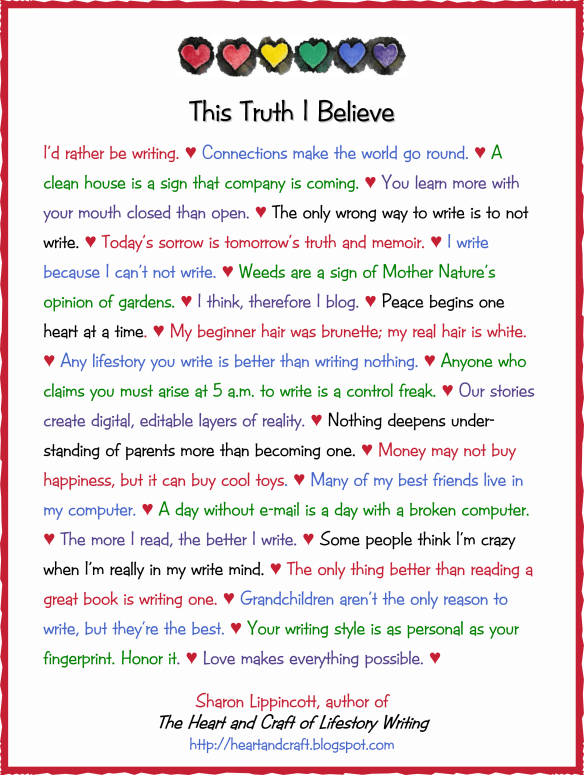
I found “This Truth I Believe” on Sharon Lippincott’s The Heart and Craft of Life Writing website. I agree with every one of these truths but would add one more – chocolate is a friend of mine. How about you?

 WANA (We Are Not Alone) is an organization started by Kristen Lamb as a way for creative people to connect with each other to serve and support one another. WANA Con, their annual online two-day writing conference (in February), offered plenty of encouragement, as well as classes that focused on topics ranging from character development, scene structure, and self editing to social media and website building – all at a cost far less than a “real” conference, and much more convenient.
I attended WANA Con 2014 wearing sweats and slippers, with a bowl of popcorn and a cold soda within reach, expecting it to be a good experience. But it ended up being a great one. Here are ten of the best take-aways from this year’s online conference:
1. Jami Gold: An Introvert’s Guide to Twitter
“First, let’s accept publishing guru Dan Blank’s challenge to not define ourselves as an introvert simply for a blanket excuse to avoid being social. As he points out, we can respect the ways we’re introverted while still taking social actions. Our introversion is a starting point for finding methods that work for us, not an excuse to avoid all social activities.”
2. Marcy Kennedy: Put Your Inner Editor to Work: Self-Editing for Fiction Writers
A main character must be interesting and likeable – but just because you’ve written an interesting character doesn’t mean you’ve written a likeable one. “Your main character needs to be interesting enough that a reader wants to spend 10+ hours with them…The reader also needs to like them OR pity them OR want to see them get what they deserve.”
3. Marcy Kennedy: Put Your Inner Editor to Work: Self-Editing for Fiction Writers
A story needs an antagonist, but the antagonist is not necessarily a villain. “A villain is evil. An antagonist is just someone who’s standing in the way of your main character achieving their goal. You must have an antagonist. A villain is optional.”
4. Gilbert Clay and Stacy Brewer: PDMI Editorial Presentation
Writers have long been advised to know the rules before they break them. We also need to have good reasons to do so. Know the following before breaking the rules: what effect it will have on the story; if it will help tell a better story; how will it affect the reader’s experience. Just because a well-known author breaks the rules, doesn’t mean all writers should.
5. Ellie Ann Soderstrom: Collaboration Station
If you’re working with others to produce your book, it’s not a good thing to “defend your manuscript the way a mother bear defends her cubs. Your book is a gift, not a baby. If you want to write for yourself then keep it to yourself. If you want to write for others then give it to a trusted editor.”
6. Julie Duffy and Gabriela Pereira: Rock Your Revision
Rocking your revision starts with Character as Cornerstone – “get your character in place and trigger the domino effect.” Keys to a strong central character: an ordinary person who becomes extraordinary; a defining characteristic; the most interesting character in the story; must want something and need something (not necessarily the same thing).
7. Lisa Hall-Wilson: Beyond Basics: How to Write Effective Inner Dialogue
Internal dialogue is an indirect method of description. “That is, the writer does not directly describe a person, scene or event, but rather processes the description through the character’s consciousness. Once we enter a character’s internal world, we must consider how the character’s consciousness filters the description and shapes the telling of the tale.” ~ Word Painting
8. Shirley Jump: Writing the Compelling Scene
There are two types of scene goals:
♦ The Author’s Goal • What do you want to accomplish in this scene? • How will doing this change your reader’s perception of your character? • How will doing this increase the tension? • How can you accomplish your goals while showing (not telling) and using action instead of passive events?
♦ The Character’s Goal • What does the point of view character want in this scene? • What is so important about achieving this goal? • What will the POV character sacrifice in order to obtain this goal? • What actions will the POV character take to achieve this goal?
9. Sandra Brannan: Jumping Into Bed Between Explosions & A Firestorm of Bullets
Elements of plot can be found in CHOKE:
♦ Concern – Do I care? – Through belief in, and feelings for, the characters and understanding their conflicts.
♦ Heighten Tension – The plot thickens: handicap your characters; aggravate, confuse, complicate; master the twists; readers need to be embroiled in conflict
♦ Overload the Senses – Create crisis at the peak (“Oh, no!” and “Ah-ha!” moments), readers want to be surprised without feeling duped
♦ Kill Switch – Explain the outcome (wind down the engine and let it cool off); readers want to see and feel the pieces being tied together, and suspension of unbelief but not the unbelievable
♦ Ending – Tie up all the loose ends; readers should feel rewarded, satiated (best dinner date ever: good company, great food, didn’t overeat, no rush); leave readers craving the next book
10. J. E. Fishman – 8 Ways Nonfiction Colors Fiction
Research does not lend your story conflict, give your story structure, illustrate your protagonist’s moral dilemma, or shape your story arc (but fictional elements do). Nonfiction: Gives us a geography to borrow; Provides historical context; Provides social context; Leverages known stakes; Educates us and lends authority; Provides real-life characters to ground us; Reinforces theme; Builds a point of departure for real-life outcomes
WANA Con also offers attendees the chance to be credited for their conference fee through a giveaway. This year I was thrilled to be one of three people whose names were picked at random to receive this credit (which I promptly applied to other writerly odds and ends).
One of the best things about the conference was the reminder that I am not alone on this writer’s journey. I hope you’ll consider attending the next WANA Online Conference – I know I’ll be there.
Do you wanna be a part of WANA Tribes? Click here.
Have you attended a WANA Con before? If so, what did you learn?

 Cate Macabe